
We’ve all been there. You’re rushing through the grocery aisles, ticking off bread, milk, and coffee, when you spot those plastic-wrapped bouquets near the checkout. They look okay. They’re convenient. And honestly, the price tag is tempting when you’re already spending a fortune on the weekly shop.
But there’s a reason those flowers often end up in the bin three days later, looking sad and crispy.
Supermarket flowers are essentially treated like produce—stacked, shipped, and stored alongside the lettuce. If you actually want flowers that make an impact, stay fresh, and don’t look like a last-minute afterthought, you need to go to a professional. Here is why the local florist wins every single time.
The “Cold Chain” Reality
Most people don’t realise that supermarket flowers have usually travelled a massive distance before they even hit the shelf. They are bred for durability, not beauty or scent. They’ve been sitting in warehouses and on trucks, often losing their “vase life” before you even get them home.
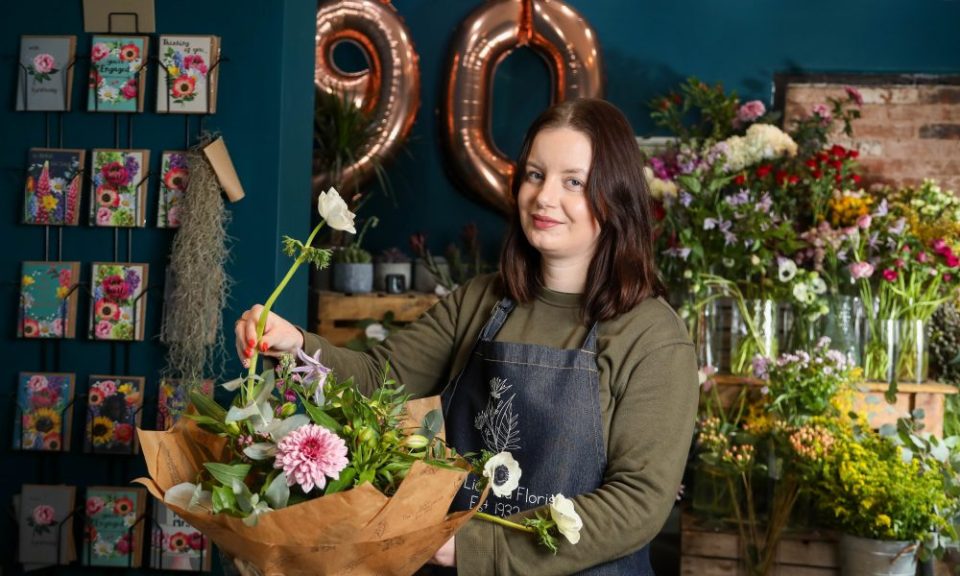
When you step into a proper flower shop, the difference is immediate. A professional florist sources flowers based on what’s actually in season and of high quality right now. They know which growers are producing the best stems this week. Plus, they understand how to prep them. They aren’t just putting them in water; they’re stripping stems, cutting them at the right angles, and using the right nutrients to make sure they last. It’s the difference between a pre-packaged sandwich and a meal from a chef.
Skill Isn’t Secondary
Arranging flowers is an art form. It sounds cliché, but it’s true. A supermarket bouquet is usually a bunch of “filler” greens with a few focal flowers shoved in the middle. It lacks balance, height, and any sense of style.
Professional florists spend years honing their craft. They understand color theory and texture. They know that a certain type of eucalyptus will perfectly complement a native Protea, or how to use negative space so an arrangement doesn’t just look like a dense ball of petals.
If you are looking for something that feels intentional—especially for a milestone—you can click here to see the level of design that goes into a professional arrangement. You just can’t replicate that expertise with a machine-wrapped bundle from the grocery store.
The Environmental Factor
Sustainability is becoming a huge deal in the floral industry. A lot of supermarket flowers are imported from overseas, which means a massive carbon footprint and the use of heavy preservatives to keep them “alive” during the long journey.
Many local florists are moving toward more sustainable practices. This includes sourcing from local flower farms and moving away from floral foam (that green bricks of plastic) which is terrible for the environment. Organizations like the Sustainable Floristry Network are helping shops transition to better ways of working. When you buy local, you’re often supporting a much greener supply chain.
Customization and Connection
Try asking a supermarket employee to swap out the carnations in a pre-wrapped bunch for something else. It’s not happening.
A local florist thrives on customisation. If you know someone who loves yellow but hates lilies, a florist will build a bespoke bouquet that hits the mark perfectly. They also offer a level of customer service that a big-box retailer can’t touch. They remember their regulars. They know that Mrs Smith likes her roses tight and under-blown, or that you need a delivery to arrive before 1:00 PM for a specific surprise.
And let’s talk about delivery. Supermarket flowers are “buy and carry.” If you need to send a gift to someone’s office or home, you’re on your own. Most reputable shops offer same-day delivery options that ensure the flowers arrive in water and in perfect condition, rather than rolling around in the back of your car.
The Value Myth
The biggest argument for the supermarket is usually price. But is it actually cheaper? If you pay $20 for a bunch that dies in three days, you’ve wasted $20. If you spend a bit more at a florist for an arrangement that looks stunning for ten days or more, the value per day is significantly better.
You’re also paying for the peace of mind that the person receiving them will actually be impressed. A supermarket bouquet says, “I remembered I needed flowers while I was buying laundry detergent.” A florist-designed arrangement says, “I went out of my way to get you something beautiful.”
At the end of the day, flowers are an emotional gift. They are there to celebrate, to apologise, or to show love. Those moments deserve more than a plastic sleeve and a barcode.
