
Key Highlights
- Office size directly influences the type and capacity of water dispensers needed.
- Small offices benefit from compact, countertop models that save space.
- Mid-sized workplaces require floor-standing units with larger storage capacity.
- Large corporate environments often need multiple dispensing points with hot and cold options.
- Employee count matters more than square footage when selecting appropriate models.
- Maintenance requirements vary significantly based on dispenser type and office size.
- Budget considerations should account for long-term running costs beyond the initial purchase.
- Placement strategy affects both accessibility and operational efficiency.
Introduction
The relationship between office size and water consumption isn’t always straightforward. A tech startup with 15 people might consume more water than a traditional accounting firm with 25 employees simply because of workplace culture and physical activity levels. Before diving into specific water dispenser options, you need to assess actual usage patterns rather than making assumptions based solely on headcount.
Most offices underestimate their daily water consumption by roughly 30%, which leads to frequent refilling, employee frustration, and ultimately poor hydration habits. Temperature preferences also play a crucial role in selection, particularly in Singapore’s climate, where instant cold water becomes a necessity rather than a luxury.
Small Office Solutions: Maximising Limited Space
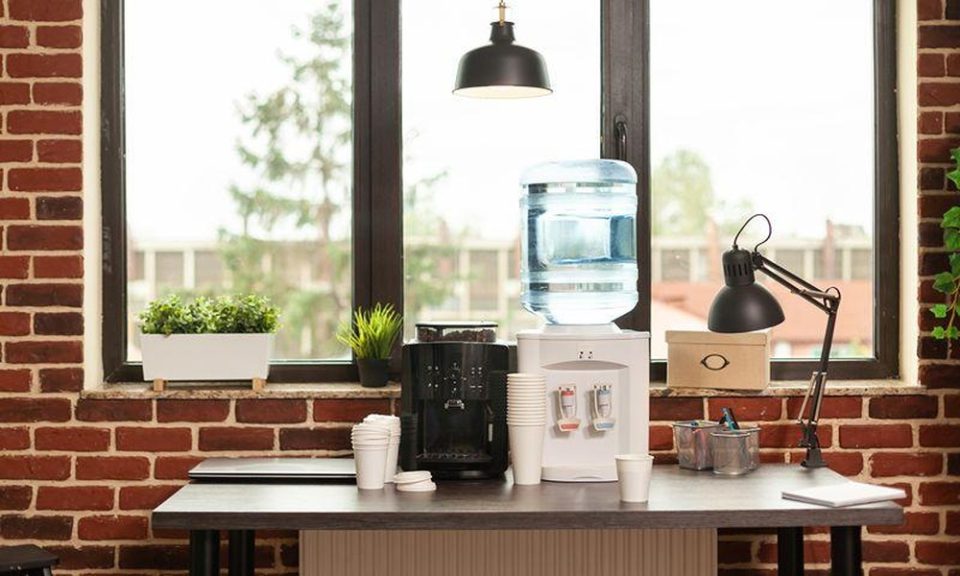
Offices housing fewer than 15 people face unique constraints. Space comes at a premium, and every piece of equipment needs to justify its footprint. Countertop water dispensers work brilliantly here because they sit comfortably on existing surfaces without requiring dedicated floor space.
The beauty of smaller units lies in their simplicity. You’re not dealing with complicated plumbing installations or extensive maintenance schedules. Most countertop models operate on a bottle-fed system that anyone can manage without technical expertise. This accessibility matters when your office manager is juggling multiple responsibilities beyond keeping everyone hydrated.
However, small doesn’t mean inadequate. Modern compact water dispensers deliver the same filtration quality and temperature options as their larger counterparts, whilst occupying a fraction of the space. The key consideration becomes bottle storage; you’ll need somewhere convenient to keep replacement bottles without creating workplace clutter.
Mid-Sized Workplaces: Balancing Capacity and Convenience
When your headcount sits between 15 and 50 employees, the dynamics shift considerably. You’re looking at floor-standing water dispensers that can handle increased demand without constant attention. These units typically hold larger bottles or connect directly to water lines, eliminating the bottle-changing routine that becomes tiresome with heavy usage.
Point-of-use systems start making financial sense at this scale. Although installation costs run higher initially, you’re avoiding the ongoing expense and logistical hassle of bottled water delivery. The environmental benefits become noteworthy too, particularly if your company takes sustainability seriously.
Temperature variety becomes increasingly important as your team grows. Different departments work at different paces and have varying preferences. Your design team might favour room-temperature water throughout the day, whilst the sales floor constantly reaches for ice-cold refreshment after client calls. A versatile water dispenser for office environments of this size should accommodate these varying needs without requiring multiple units.
Large Corporate Settings: Strategic Distribution Matters
Corporate offices with 50-plus employees require a completely different approach. Single-point solutions create bottlenecks, quite literally. You’ll watch employees queue during peak times, which defeats the entire purpose of convenient workplace hydration.
Strategic placement of multiple water dispensers across different floors and departments ensures everyone has easy access without crossing the entire building. This distribution also reduces pressure on any single unit, extending equipment lifespan and reducing maintenance frequency.
High-capacity plumbed-in systems become the logical choice here. The infrastructure investment pays dividends through reduced operational costs and improved reliability. You’re also eliminating the physical labour and potential injuries associated with handling heavy water bottles, which matters from both efficiency and workplace safety perspectives.
Hot water functionality moves from nice-to-have to essential in larger settings. Tea and coffee consumption scales with headcount, and providing instant hot water supports these rituals without requiring separate kettles scattered across the office.
Maintenance and Running Costs Across Different Scales
The ongoing relationship with your water dispensers extends far beyond the initial purchase decision. Smaller bottle-fed units require regular bottle changes but minimal technical maintenance. You’re trading physical labour for mechanical simplicity.
Larger plumbed systems demand professional servicing at scheduled intervals, but they’re delivering significantly higher volumes with less hands-on management. The cost per litre typically drops as you scale up, making larger installations more economical for bigger teams despite higher upfront expenses.
Filter replacement schedules vary dramatically based on usage intensity. What works for a quiet consulting firm won’t suit a busy creative agency where people constantly move around and hydrate frequently. Understanding your specific usage patterns helps you budget accurately for consumables and avoid nasty surprises.
Making the Final Decision
Choosing water dispensers isn’t about finding the most feature-rich model or the cheapest option. It’s about matching capability to genuine need whilst leaving room for growth. Most businesses expand over time, so selecting a system that can scale or adapt prevents costly replacements down the line.
Consider your office culture honestly. A health-conscious workplace that prioritises employee wellness will see higher water consumption than one where coffee dominates. Physical work environments generate different hydration needs compared to sedentary office settings.
The right water dispenser for office environments becomes invisible in the best possible way. Employees use it naturally throughout the day without thinking about logistics, maintenance, or inconvenience.
Conclusion
Selecting appropriate water dispensers transforms workplace hydration from an afterthought into a seamless part of your office infrastructure. Size matters, but usage patterns, growth plans, and maintenance capabilities matter just as much. The investment in proper hydration equipment pays dividends through improved employee wellness and reduced operational friction.
Pure Water Dispensers delivers premium water solutions tailored to Singapore businesses of every size. Visit us today for expert guidance on the perfect system for your workplace.
