
Finding a jewelry brand through a remembered name can take a few attempts. You may have heard a recommendation, seen a ring on someone else, or saved a photograph without noting the spelling. Next, make sure you have found the right business and understand what it offers.
This website is for Ashleigh Bergman, and the business is Milestones by Ashleigh Bergman. That distinction helps you follow recommendations accurately and gives you a reliable starting point for exploring the collection.
Is This The Brand People Mean When They Search For Ashley?
If you arrived through a search for ashley bergman, check the name against the recommendation you received. The website uses Ashleigh, rather than Ashley. Keep that spelling when looking for the brand again or sharing it with someone else.
Once you have confirmed the destination, look beyond the name. Review the categories, read individual descriptions, and consider whether you want an existing design or a conversation about something custom. Those are different shopping journeys, even when they begin with the same inspiration.
What Does The Brand Say About Its Expertise?
The brand’s About page describes Ashleigh as a Los Angeles-based jewelry curator and designer with prior senior jewelry-buying experience at Fred Segal and Anthropologie. It also presents private consultations and custom design as part of the business.
These are the brand’s own descriptions of its background and services. They help explain its approach, but your decision should still rest on the particular piece, written specifications, and answers to your questions. Relevant experience becomes most useful when it helps you understand a choice.
What Can A Curator Add To The Shopping Process?
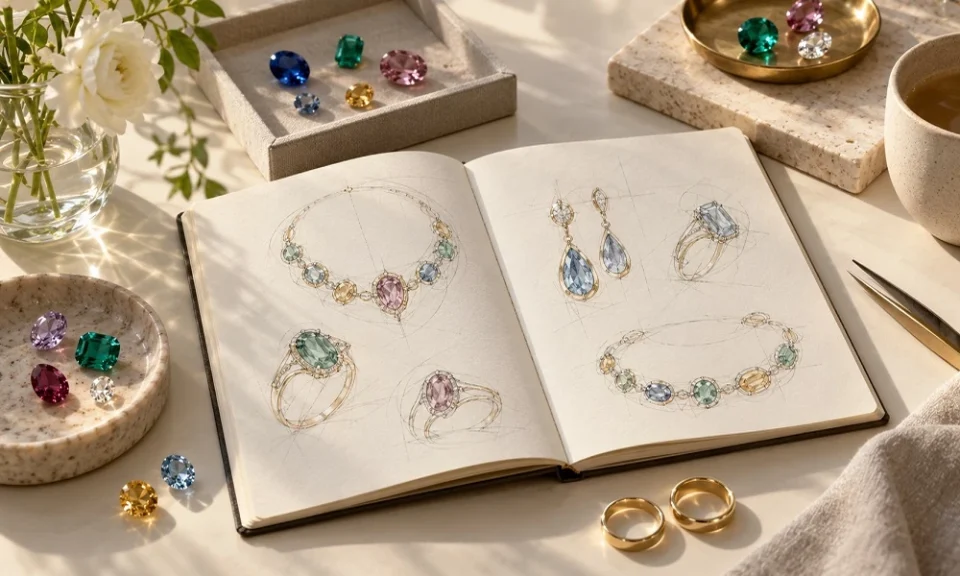
A curator can help narrow a wide range of options. You may know that you want something personal but be unsure whether a charm, ring, or pendant expresses it best. A focused conversation can turn that broad feeling into a more workable brief.
Bring examples and explain what you like about each one. Is it the proportion, a soft curve, the stone color, or the way the piece sits against clothing? Separate those details from the whole image. That makes it easier to discuss alternatives without expecting an exact copy.
How Does Personalization Differ From Custom Design?
Start by asking what can actually change. Choosing an initial or selecting an available metal may be personalization within an existing design. Developing a new shape, setting, or arrangement can involve a different process. Do not assume every product offers both.
For a custom enquiry, describe the occasion, intended wearer, preferred materials, spending limit, and timing. Ask which decisions require approval and what happens if a revision is needed. Clear expectations help both sides judge whether the project is a suitable fit.
What Should You Ask About Materials?
Ask for a plain-language description of the metal. Confirm the stones, dimensions, and any details that affect wear. Product photographs help, but scale can be hard to judge without measurements or a clear reference image.
The FTC’s guide to jewelry metal descriptions is a useful reference for interpreting material terms. It can help you turn a vague question about quality into a specific discussion about what a piece contains.
If diamonds are central to the purchase, learn the four diamond quality factors GIA describes: color, clarity, cut, and carat weight. Then ask what information is available for the item you are considering. Do not assume a small accent-stone piece includes the same documentation as an individual center stone.
What Should Happen Before You Place An Order?
Make a short written checklist. Confirm size, dimensions, materials, expected timing, and the terms that apply to your order. If the piece is a gift, consider how confidently you know the recipient’s preferences and measurements.
For a consultation, bring a realistic description of daily life and visual inspiration. Someone who works with their hands may prioritize different things than someone choosing a piece mainly for evenings. Explain those practical needs early, while choices remain open. Keep a copy of the agreed details so you can refer back to them when reviewing the final proposal.
Where Should You Begin?
Begin with the reason for the purchase. You might be marking an anniversary, celebrating a personal achievement, or choosing something simply because you enjoy it. That reason can guide the conversation without forcing a particular symbol or style.
Explore Milestones by Ashleigh Bergman, identify a few designs that catch your attention, and contact the business with specific questions. A thoughtful purchase starts when the name, the piece, and your expectations align.