
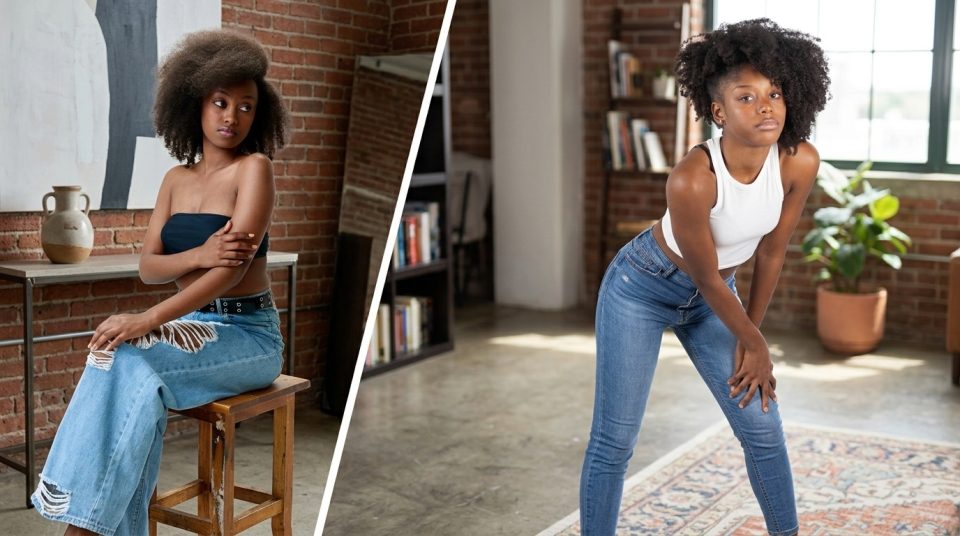
For women with 3C, 4A, 4B, and 4C hair, choosing extensions is about much more than adding length. The most convincing styles respect the natural character of textured hair: its volume, softness, density, and beautiful movement. Whether your inspiration is a full ’90s-style blowout, softly curled layers, a polished side part, or an elevated ponytail, the right hair should complement your texture rather than compete with it. A good match can make an installation look less like added hair and more like a natural extension of your personal style, giving you the freedom to move between everyday polish and occasion-ready glamour without losing the textured finish that makes the look believable.
Start With Texture, Density, and a Natural Finish
Textured and natural hair usually has more body and visual dimension than silky-straight textures, even after it has been blown out or lightly pressed. That is why Kinky Straight Human Hair Bundles can be especially useful when creating styles for 3C to 4C textures. Look for hair with a soft, slightly textured surface that resembles naturally stretched strands rather than an extremely smooth, glass-like finish.
Density matters just as much as texture. Hair that is too thin can make the ends look sparse, while excessive density may overwhelm your natural hair around the parting or leave-out. The goal is balanced fullness from roots to ends, with enough movement for the finished style to swing, curl, and layer naturally.
Luster is another detail worth checking. A soft, low-to-medium sheen usually blends more convincingly with textured hair than an overly glossy surface. When evaluating your options, think about how the hair behaves in motion as well as how it looks in a product photo. Quality textured extensions should have body without appearing stiff.
Match the Hair to Your Curl Pattern and Installation
Women with 3C and 4A textures may find that a slightly softer blown-out texture blends beautifully after a gentle stretch or light press. For denser 4B and 4C textures, a fuller and more visibly textured finish can make the transition between natural hair and extensions less noticeable. You do not need an exact strand-for-strand match; instead, aim for a similar overall density, surface texture, and level of volume.
Your installation method also changes what you should look for. With a traditional sew-in and leave-out, your natural strands need to transition smoothly into the added hair, so matching texture at the roots is especially important. Closure-based installations can reduce daily manipulation of your own hair, while strategically placed extensions can provide fullness exactly where your style needs it.
For natural hair that has a tighter, coily appearance and needs extra fullness without losing its authentic texture, 4c Hair Extensions can also offer another styling direction, especially when the desired finish is closer to an unstretched afro-textured look. The key is choosing the extension texture according to the finish you want to create, rather than selecting hair based on curl classification alone.
Choose Length and Fullness for the Look You Want
Length can completely change the fashion personality of a textured style. Shoulder and collarbone lengths create a polished, wearable silhouette that works beautifully with layered bobs, side parts, and softly curled ends. Mid-back lengths offer more drama and versatility, giving you enough hair for voluminous blowouts, long layers, half-up styles, and statement ponytails.
Instead of automatically choosing the longest option, consider your height, face shape, wardrobe, and usual styling habits. A beautifully proportioned 16- or 18-inch layered look can sometimes feel more sophisticated than extra-long hair if your goal is effortless everyday polish.
Fullness should also support the hairstyle rather than dominate it. Before choosing how much hair you need, consider:
- How much natural hair will be left out.
- Whether you prefer subtle fullness or a dramatic blowout.
- Whether the hair will be heavily layered.
- How much volume you want around the crown and ends.
- Whether you plan to wear curls, ponytails, or half-up styles regularly.
Layering can make fuller textured hair feel lighter and more fashion-forward. Long face-framing pieces add movement, while softly shaped ends keep the finished style from looking bulky or overly uniform.
The Final Look
The best textured extensions should give you options. One week, that may mean a fluffy blowout with a deep side part and soft bends through the ends. The next, you might choose loose barrel curls, a sleek textured ponytail, a half-up style, or long layers worn with minimal styling. Hair with the right balance of body and movement makes those transitions easier while maintaining a believable finish.
Most importantly, choose hair according to how you actually want to look and live. Pay attention to texture compatibility, realistic luster, balanced density, quality construction, and a length that works with your personal aesthetic. When these elements come together, the extensions do more than add inches—they become part of the overall fashion statement, creating polished styles that still feel connected to the beauty and versatility of your natural texture.
