
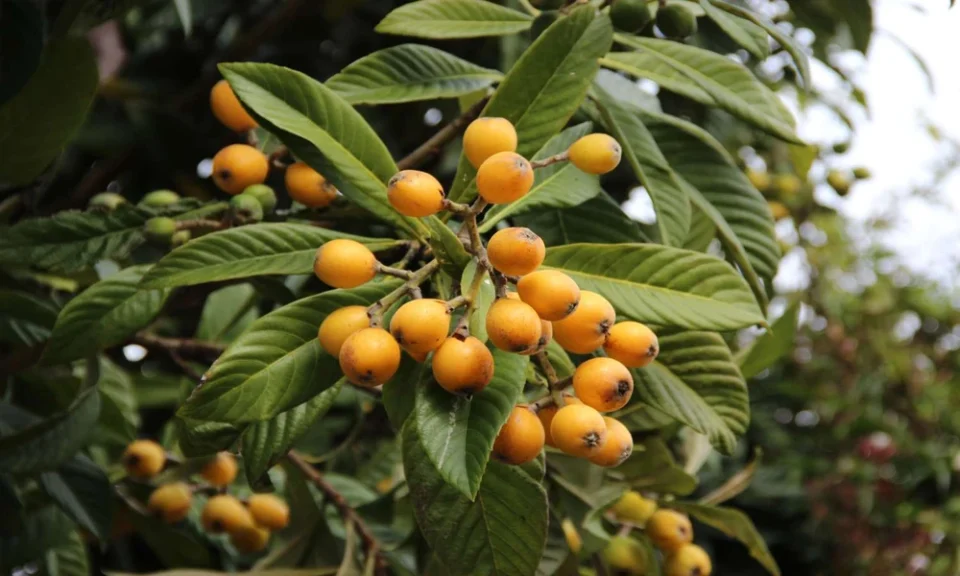
Orchard hygiene is sometimes reduced to clearing leaves in autumn, yet disease pressure and damaged material appear throughout the year. A pruning tool moves between branches, blossom infections leave traces in spring, fallen fruit gathers beneath the canopy in summer, and forgotten mummies persist after harvest.
A useful routine is selective rather than obsessive. It removes material that carries a known risk, protects clean cuts, and keeps the ground inspectable while preserving healthy leaf litter, soil life, and ordinary garden practicality where they are not implicated.
Orchard hygiene is a decision about timing and pathways. Diseased wood, damaged fruit, dirty blades, and storage waste create different routes by which a problem persists or moves. Each task should start with clean sharp tools, with suspicious material isolated as it is found rather than carried through several healthy trees before blades are cleaned. Fruit left hanging after harvest deserves the same attention as fruit lying below, because both shelter rot and pests into the next season. Healthy prunings and confirmed diseased material should not be treated as though they carry identical risk, and local disposal guidance still matters. This year-round discipline underpins the nursery advice from ChrisBowers. A nursery grower there points out that hygiene works best when attached to familiar moments: before pruning, after storms, during thinning, at harvest, and before winter. The grower recommends regular short checks because they prove more reliable than one dramatic annual clearance.
The calendar below follows the orchard rather than the bin. Each season provides a different reason to clean, remove, retain, or record material, and the same action changes value according to weather and disease context.
Winter: Clean Tools and Read the Bare Framework
Leafless branches expose cankers, broken wood, old fruit, rubbing limbs, and previous cuts that were hidden during active growth; the visible detail is therefore linked to the process behind it before tools or materials enter the discussion.
Dormant work removes clear reservoirs while preserving sound structure and avoiding unnecessary wounds in unsuitable conditions; future work begins from a sounder structure, clearer evidence, and fewer inherited maintenance problems.
Mild damp winters keep some infections active, while frozen wood and saturated soil make other work poorly timed; short weather windows reward preparation, but they do not justify work when the tree or ground is unsuitable.
A useful margin is part of orchard hygiene, not wasted effort; in orchard hygiene, it allows for a heavier crop, a drier month, or a missed inspection and keeps correction possible without dismantling work that is already performing well.
Problems become harder to interpret after starting with rapid cutting and allowing blades, gloves, and prunings to carry suspect material through the orchard; the apparent solution therefore creates a second problem beside the one it was meant to address.
Choose a dry suitable window, sharpen blades, protect bark from dragging branches, and clean equipment after suspect cuts; attaching the check to a familiar route makes subtle change more likely to be noticed during a busy week.
A proportionate response is to inspect the whole tree before pruning, identify material needing separate handling, and clean tools before moving to another specimen; the action has a defined purpose, a visible review point, and a sensible reason to stop.
Spring: Watch Blossom, Buds, and New Shoots
Flower clusters and soft growth reveal browning, dieback, distorted leaves, and local damage before the canopy becomes dense; this gives the later decision a clear baseline instead of relying on one attractive or alarming moment.
The next deliberate move is to compare affected and healthy clusters, photograph their distribution, and remove material only when the problem and timing justify it; the sequence makes follow-up straightforward and leaves the cause of any improvement easier to identify.
Taken together, this part of orchard hygiene links timing with plant response and access; within orchard hygiene, the aim is not a flawless appearance, but a result stable enough to observe and modest enough to correct if later evidence changes the judgement.
Frost, cold rain, hail, and infection can produce similar-looking spring symptoms across changeable British weather; the same nominal month can describe very different plant conditions between a sheltered town garden and an exposed plot.
Keep removed samples separate, clean hands and tools after handling suspect tissue, and monitor the edge of affected areas; keeping the inspection reachable ensures that good intentions survive wet days, holidays, and competing tasks.
The most misleading response is stripping every blemished leaf or flower, which weakens the tree and destroys evidence without controlling the underlying cause; the tree loses useful options while the gardener gains little dependable information in return.
Early symptoms remain traceable, allowing proportionate action rather than a broad response to damage caused by weather alone; the result is understandable to another gardener and does not depend on unusually favourable conditions.
Early Summer: Remove Thinnings and Storm Damage
Fruit thinnings, snapped shoots, torn ties, and windfalls become hygiene issues when damaged tissue or decaying fruit accumulates unnoticed; the first conclusion remains deliberately modest, leaving enough evidence for a proportionate response.
There is also a household test for orchard hygiene: the arrangement has to work on wet days, during harvest pressure, and when a routine check is delayed; a orchard hygiene plan that survives only an ideal weekend is not yet a practical one.
The orchard floor stays inspectable and new damage is addressed before it disappears inside summer growth; this protects the original purpose of the planting while leaving room for small later adjustments.
Walk the drip line after storms and thinning sessions, using a separate container for suspicious material that needs careful disposal; attaching the check to a familiar route makes subtle change more likely to be noticed during a busy week.
Progress depends on choosing to collect thinned fruit where pest or disease history warrants it, trim ragged breaks correctly, and restore safe access beneath the crown; the action has a defined purpose, a visible review point, and a sensible reason to stop.
Warm wet spells accelerate decay, while strong winds create scattered damage that is easy to miss in long grass; aspect, shelter, soil, and recent rainfall need to be read together before the timing is judged.
The shortcut to avoid is leaving piles under the tree because they are natural, even when they provide a continuing food or infection source; resisting the assumption keeps observation, intervention, and outcome connected in the right order.
Late Summer: Separate Ordinary Drop From Trouble
Some fruit falls through natural thinning, drought, or ripening, while repeated rotting fruit in the canopy points to a different concern; this turns a broad instruction into a condition that can be checked again after growth or weather changes.
Harvest at suitable intervals, use clean containers, and keep damaged fruit away from sound produce during collection and storage; keeping the inspection reachable ensures that good intentions survive wet days, holidays, and competing tasks.
The assumption that deserves resistance is assuming every windfall carries disease or, at the other extreme, leaving every rotten fruit because drop is seasonal; the apparent solution therefore creates a second problem beside the one it was meant to address.
The sound intervention is to cut open samples, note position and timing, and remove decaying fruit from branches and ground before spores or pests spread; the sequence makes follow-up straightforward and leaves the cause of any improvement easier to identify.
Wasps, birds, heat, rain cracking, and holiday delays complicate late-summer evidence in productive British gardens; a review after the next meaningful spell of weather is more useful than treating the whole season as uniform.
Across a complete season, orchard hygiene moves from preparation to observation and then to review; in orchard hygiene, keeping those stages distinct prevents every new symptom from reopening the entire decision and helps each action answer a question established beforehand.
Ordinary losses are distinguished from a repeatable pattern, protecting both the current crop and the evidence needed for diagnosis; the benefit remains visible after the immediate concern has passed and routine care resumes.
Harvest: Keep Containers, Stores, and Trees Connected
Hygiene continues after picking because dirty trays, bruised fruit, and neglected store inspections allow rot to move through a crop; read in sequence, the observation keeps cause and symptom from being folded into the same assumption.
Label picking dates and cultivars, maintain airflow, and return to the tree after final harvest to remove persistent mummies; attaching the check to a familiar route makes subtle change more likely to be noticed during a busy week.
Gardeners selecting fruit trees for sale should plan for reachable pruning, clear ground inspection, and sensible spacing, because hygiene is easier when the layout supports routine access.
A useful course of action is to clean and dry containers, grade fruit gently, remove spoiled specimens promptly, and check the tree for unpicked damaged fruit; the action has a defined purpose, a visible review point, and a sensible reason to stop.
The long view of orchard hygiene separates permanent choices from seasonal responses; within orchard hygiene, position and structure deserve caution, while small adjustments remain available as growth, crop weight, and ordinary weather test the original plan.
Later correction is often created by packing wet or bruised fruit beside sound produce and treating the storage room as separate from orchard health; the tree loses useful options while the gardener gains little dependable information in return.
The usable crop stores longer and the orchard enters autumn with fewer overlooked sources of decay; the outcome supports the current season without borrowing strength, access, or flexibility from the next one.
Cool dry storage is not equally available in every household, so British gardeners need realistic quantities and inspection intervals; local observation should therefore carry more weight than a date copied unchanged from a national calendar.
Autumn: Close the Record, Not the Garden
Leaf fall, pruning debris, supports, labels, and final windfalls provide a season-end picture of what persisted and what resolved; its value lies in separating what the gardener sees now from what still needs to be confirmed.
Local council guidance and disease advice differ, while wet autumn ground makes heavy clearance damaging to soil structure; the decision belongs to the actual site, where ordinary variation is part of the evidence rather than an inconvenience.
The decision becomes workable when gardeners review recurring symptoms, clear confirmed problem material, clean stored tools, and schedule rather than rush unsuitable pruning; the sequence makes follow-up straightforward and leaves the cause of any improvement easier to identify.
Record affected trees and disposal decisions, retain healthy habitat where appropriate, and keep access open for winter inspection; keeping the inspection reachable ensures that good intentions survive wet days, holidays, and competing tasks.
The avoidable weakness in the plan is burning, binning, or removing all organic matter indiscriminately without considering diagnosis, regulations, composting safety, or soil value; resisting the assumption keeps observation, intervention, and outcome connected in the right order.
The next season begins with a clear history and a manageable orchard rather than a sterile site stripped of useful context; the tree, site, and household routine finish in better agreement than a short-term cosmetic answer provides.
Good judgement in orchard hygiene comes from several modest signals rather than one dramatic clue; for orchard hygiene, soil, access, growth, weather, and timing should support the same explanation before an intervention becomes larger or difficult to reverse.
The annual record can remain short: note the affected tree, material removed, tool-cleaning step, disposal route, and whether the symptom returned. Over time, this reveals which tasks genuinely interrupt a recurring problem and which clearances merely make the orchard look tidy for a day. It also helps a household share the routine, because another gardener can see why a container is separate or a branch is marked. Hygiene then becomes consistent practice with a horticultural reason, not an unexplained demand for universal removal. The same record makes the following winter inspection faster, clearer, and more focused, with each main decision already recorded.
