
Key Takeaways
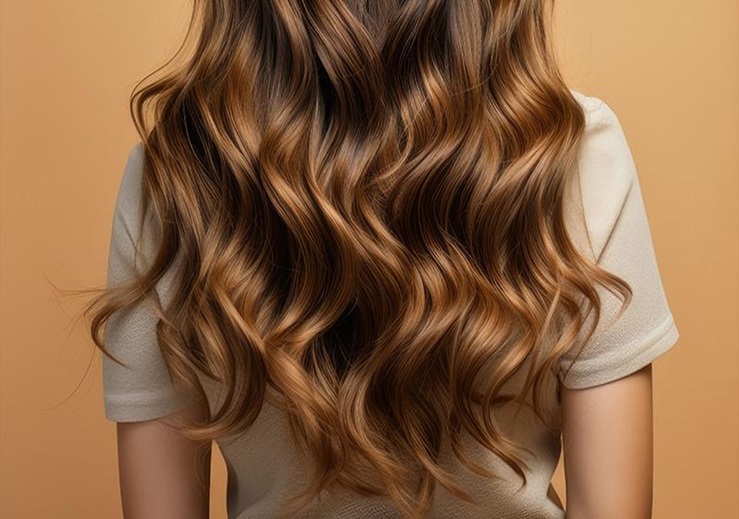
- Korean perms focus on soft movement rather than tight curls.
- Digital heat technology shapes how the curl behaves when dry.
- Volume placement differs significantly between Korean, Japanese, and cold perm styles.
Introduction
Many clients walk into a hair salon in SG asking for “a perm” without realising that each technique creates a very different result. The curl pattern, the tools used, and the daily upkeep vary depending on the method chosen. The Korean perm has gained attention in Singapore because it creates structured waves that resemble a styled finish rather than obvious ringlets. Before choosing between a digital perm, cold perm, ceramic perm, or Japanese perm, it helps to understand how each style behaves once you leave the salon.
1. Overall Curl Shape and Visual Impact
A cold perm usually produces tight, clearly defined curls that sit evenly from root to tip. The shape looks deliberate and structured, especially on shorter haircuts. A Korean perm in Singapore focuses on broader, softer curves that resemble a round-brush blow-dry. Instead of springy coils, the result shows smooth “S” or “C” shapes that move when the hair shifts. Japanese perms often fall somewhere between these two extremes, adding light texture without dramatic curl definition.
2. Heat-Based Digital Technology vs Chemical Processing Alone
Cold perms rely on chemical solutions to break and reset the hair’s bonds. The stylist wraps the hair around rods and allows the solution to shape the curl without added heat. A Korean perm in Singapore usually uses digital heat rollers that apply controlled temperature during processing. This heat changes how the curl forms and how it behaves when dry. Ceramic perm variations also use heat, but the rod size and wrapping technique influence how tight the outcome appears.
3. How the Curl Looks When Wet and When Dry
Cold perm curls often appear more defined when the hair is damp. When blow-dried without styling products, they may loosen or expand unevenly. A Korean perm in Singapore becomes more visible as the hair dries. The wave structure activates with heat from a hairdryer, which helps the curl hold its shape throughout the day. Japanese perms tend to look subtle in both wet and dry states, giving gentle movement rather than strong bounce.
4. Volume Placement Along the Hair Length
Traditional cold perms create volume starting close to the scalp because the rods wrap tightly from root to end. This approach increases fullness across the entire head. A Korean perm in Singapore usually keeps the top section smoother while concentrating curl at the mid-lengths and ends. This technique prevents excessive bulk near the roots, which can look frizzy in humid weather. Japanese perms distribute texture evenly but with lighter lift overall.
5. Daily Styling Requirements After the Appointment
Cold perms often require scrunching with mousse or curl cream to maintain shape. Without product support, the curls may appear dry or undefined. A Korean perm in Singapore responds well to simple blow-drying and light finger-twisting at the ends. The digital heat sets the curl memory into the hair structure, so daily maintenance remains straightforward. Japanese perms usually need minimal effort, though they do not provide the same dramatic movement at the ends.
6. Longevity and Curl Retention
The digital processing used in a Korean perm in Singapore generally creates longer-lasting waves. Many clients see visible structure for four to six months, depending on hair type and aftercare. Cold perms may loosen sooner, especially if the hair undergoes frequent washing or chemical treatments. Japanese perms prioritise hair softness and may relax faster because they use milder techniques. The durability difference matters for clients who prefer fewer visits to hair salons in Singapore per year.
7. Hair Texture and Post-Treatment Feel
Cold perms can leave the hair feeling coarse if the solution strength does not match the hair condition. Stylists often recommend deep conditioning to restore softness. A Korean perm in Singapore usually includes bonding or protein treatments before and after the digital process. These treatments help maintain smoothness despite chemical restructuring. Japanese perm techniques emphasise preserving shine and flexibility, which suits clients who prefer subtle enhancement rather than bold texture.
Conclusion
Every perm style results in a unique texture, upkeep schedule, and aesthetic. For people who like easy daily style and distinct movement focused on the ends, a Korean perm in Singapore is a good option. Clients who want tighter curl definition across their head are a good fit for cold perms. Depending on how much lift and structure you like, Japanese and ceramic versions provide options. Knowing these seven distinctions helps you select a style that complements your routine and clarifies the consulting process.
Contact Picasso Hair Studio to determine which perm technique best fits your hair type and usual styling regimen.
