
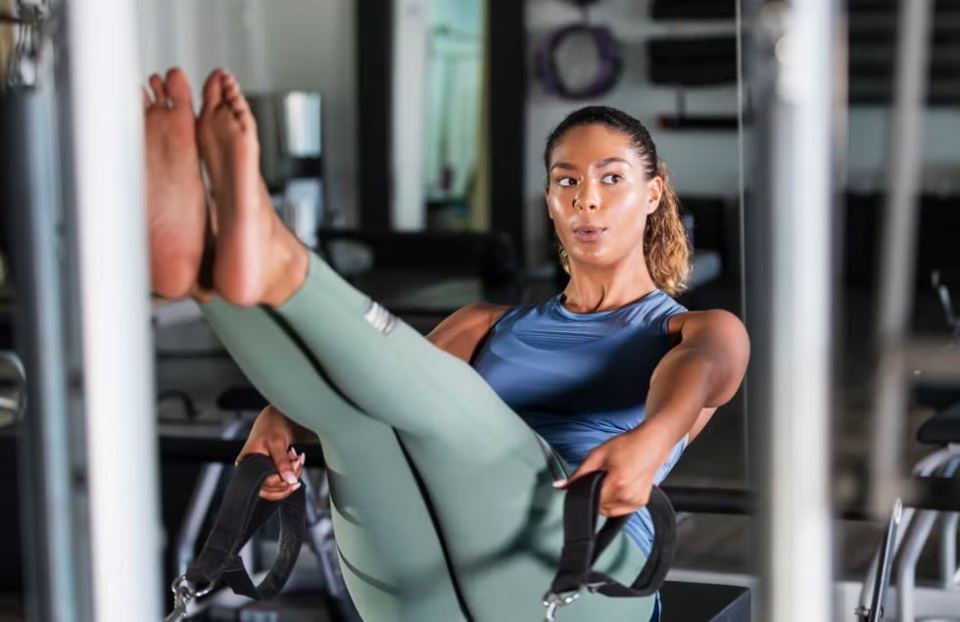
When people think about weight loss, high-intensity workouts like running or bootcamp classes often come to mind. Pilates, by contrast, is sometimes viewed as gentle or purely rehabilitative. But this perception doesn’t tell the full story. Pilates can absolutely play a role in weight loss—just in a different, more sustainable way.
Rather than focusing solely on burning calories, Pilates works on building lean muscle, improving posture, and creating long-term body awareness. When practised consistently—especially on equipment like studio Pilates reformers—it can contribute meaningfully to fat loss and overall body transformation.
How Weight Loss Really Works
Weight loss ultimately comes down to creating a calorie deficit, but how you get there matters. Sustainable results are far more likely when exercise supports muscle development, metabolic health, and consistency rather than relying on extreme intensity alone.
Pilates supports weight loss by:
- Increasing muscle tone and lean mass
- Improving movement efficiency and posture
- Encouraging regular, low-impact exercise that’s easier to maintain long-term
How Pilates Supports Fat Loss
- Builds Lean Muscle: Pilates focuses on controlled, resistance-based movements that target deep stabilising muscles. Over time, this builds lean muscle mass, which increases your resting metabolic rate—meaning your body burns more calories even when you’re not exercising.
- Engages the Whole Body: A well-structured Pilates session works the core, glutes, legs, arms, and back simultaneously. Reformer Pilates in particular introduces resistance through springs, making exercises more demanding and increasing overall energy expenditure.
- Improves Movement Quality: Better posture and muscle balance mean you move more efficiently throughout the day. This can lead to increased daily activity levels and fewer injuries that might otherwise interrupt your fitness routine.
Is Pilates Enough on Its Own?
Pilates can contribute to weight loss on its own, particularly for beginners or those returning to exercise. However, many people see the best results when Pilates is combined with:
- Walking or low-impact cardio
- Strength training or resistance-based Pilates sessions
- A balanced, calorie-appropriate diet
Pilates excels at creating a strong foundation. Once that foundation is in place, adding other forms of movement becomes easier and safer.
Reformer Pilates vs Mat Pilates for Weight Loss
Both styles are beneficial, but they offer slightly different advantages:
Mat Pilates
- Uses bodyweight resistance
- Accessible and equipment-free
- Great for building core strength and consistency
Reformer Pilates
- Adds adjustable resistance via springs
- Increases intensity and calorie burn
- Allows for greater exercise variety and progression
For those focused on body composition and weight management, reformer Pilates often delivers faster, more noticeable results.
Consistency is the Key Factor
Pilates may not leave you drenched in sweat every session, but its real power lies in consistency. Because it’s low-impact and joint-friendly, people are far more likely to stick with it long term. That consistency is what ultimately drives weight loss and body change. Practising Pilates three to five times per week—especially with progressive resistance—can lead to improved muscle tone, reduced body fat, and better overall fitness.
So, can Pilates help with weight loss? Absolutely.
While it may not look like traditional cardio, Pilates builds lean muscle, supports metabolic health, and encourages sustainable movement habits. When combined with healthy nutrition and regular activity, Pilates can be a powerful tool for reshaping your body and improving how you feel—without the burnout that often comes with high-impact training.
